
The Biggest Challenges Facing Artificial Intelligence in 2025
Hey everyone! AI or Artificial Intelligence is everywhere in 2025. From chatbots helping you book flights to predictive apps suggesting what movie to watch, it’s easy to feel like AI is magic. I’ve tried some of these tools myself, and honestly, they’re smart, but they’re far from perfect. Even the most advanced AI can stumble, make weird decisions, or just flat-out mislead you if you’re not careful. So let’s break down the top challenges of Artificial Intelligence in 2025, and I’ll explain each in simple words with real-life examples, plus a one-line effect so you can quickly remember why it matters.
1. Ethical Dilemmas
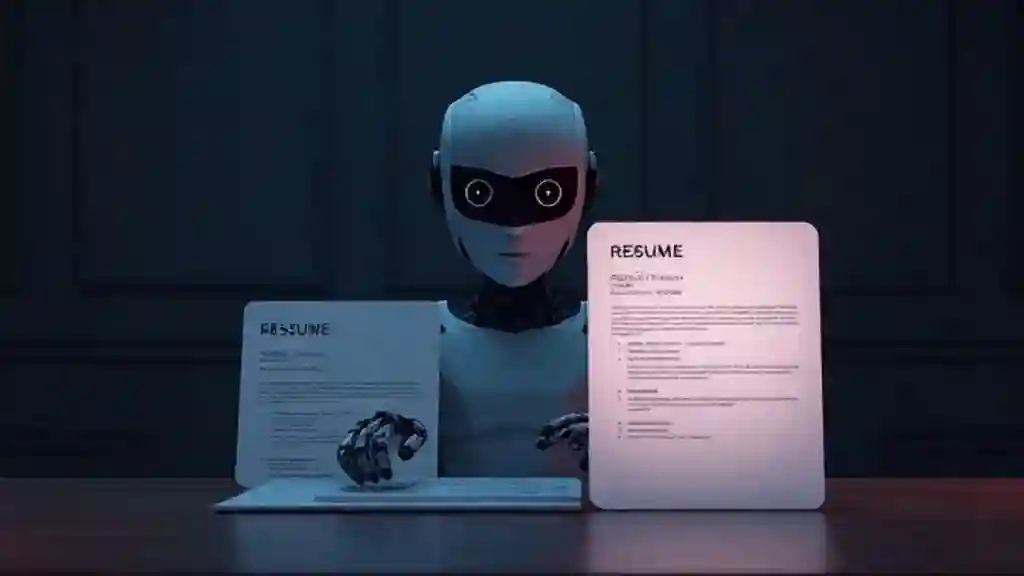
AI doesn’t have feelings or morals. That means it can make decisions that seem wrong to humans. For example, I once tested an AI recruitment tool that rejected a perfectly qualified candidate because the system was trained on past hiring data that favored one group over another. The Artificial Intelligence didn’t “decide” unfairly on purpose; it just doesn’t understand ethics. Ethical dilemmas like this pop up everywhere, from loan approvals to healthcare recommendations.
Effect: People lose trust when AI seems to make decisions without a moral compass.
2. Bias in AI
Bias is one of the trickiest issues. AI learns from historical data, and if that data contains biases, the AI will repeat them. I saw an AI system for school admissions that favored certain demographics because it was trained on past acceptance data. Even when developers don’t intend it, AI can reinforce discrimination. This isn’t just theory; bias in AI affects hiring, banking, policing, and even healthcare, creating real-life consequences for people.
Effect: Biased Artificial Intelligence can harm opportunities for certain groups, which feels unfair and dangerous.
3. Data Privacy and Security

AI thrives on data. It needs personal information, your browsing habits, shopping preferences, location data, and even health records to provide useful predictions. I tested a recommendation AI once, and it asked for access to more data than I expected. That’s where privacy concerns kick in. Hackers can also exploit AI systems, and poorly secured data can leak, putting users at risk. GDPR and data encryption help, but breaches still happen.
Effect: Personal information can leak, leaving users vulnerable to identity theft or fraud.
4. Legal and Regulatory Issues
The law hasn’t caught up with AI yet. Rules about what AI can do differ between countries, and even within industries; it’s unclear who’s responsible if AI makes a mistake. I’ve worked with startups launching AI apps globally, and they struggled to understand which regulations applied. Intellectual property, liability, and compliance with privacy laws are just a few legal hurdles.
Effect: Missteps can lead to fines, lawsuits, or even shutdowns.
5. Transparency and Explainability

AI often works like a black box, you get results without understanding how it arrived at them. I tested an AI chatbot that confidently gave the wrong advice about a financial question, and I had no idea why it made that suggestion. Explainable AI (XAI) is supposed to fix this, but many tools still lack clarity. Transparency is not just technical, it’s about building trust. Users need to see how Artificial Intelligence decisions are made.
Effect: People stop trusting AI when they can’t understand how it makes decisions.
6. Integration Challenges
Adding AI to existing systems isn’t plug-and-play. I’ve seen businesses spend weeks trying to integrate AI into legacy software. Some systems weren’t compatible, while others slowed down dramatically when AI modules were added. Successful AI integration often needs teamwork between IT, operations, and data experts, plus a plan that considers the real-world environment where Artificial Intelligence will operate.
Effect: Poor integration leads to wasted time, money, and frustrated teams.
7. Computing Power
AI models, especially deep learning systems, require massive computing resources. I once trained a simple predictive model on my laptop, and it took hours to finish what would take a cloud-based GPU in minutes. Not all companies can afford the computing power needed for large AI projects, and energy consumption is another concern. AI’s appetite for processing can be surprisingly expensive, which limits innovation for smaller teams or startups.
Effect: Smaller teams can’t run advanced Artificial Intelligence projects easily, limiting innovation.
8. Limited Knowledge of AI
Many people using AI don’t fully understand how it works. I’ve personally struggled when trying to set up AI tools because I didn’t know which settings mattered most. Misunderstanding the tool can lead to mistakes, wasted time, or even wrong decisions. AI isn’t just “turn it on and it works,” it requires knowledge to guide it properly, train it with the right data, and interpret its results.
Effect: Lack of knowledge can cause mistakes, delays, or failed projects.
9. Building Trust in AI Systems
Even when AI works technically, humans need to trust it to rely on it. I remember a client who didn’t want to follow AI suggestions for loan approvals, they insisted on human checks. Building trust requires transparency, explainable AI, and proof that AI recommendations are reliable. Without trust, adoption slows, even if the technology is smart.
Effect: Without trust, AI adoption slows, even if the tech is capable
10. High Expectations vs Reality
Everyone expects intelligent tools to be perfect, but that’s far from the truth. I once tested a predictive app that promised perfect stock predictions, and it was way off. People often assume these systems can handle messy real-life situations, but they still struggle with incomplete or biased data.
Effect: Unrealistic expectations lead to disappointment and reduced confidence in tech.
11. Socio-Economic Effects
These systems are changing the job market. Some repetitive tasks are disappearing, while new roles that require technical and analytical skills are emerging. I saw a friend lose a routine administrative job, but later land a data role after upskilling with online courses.
Effect: Communities face stress from job losses and skill gaps, making adaptation necessary.
12. Software Malfunctions and Reliability
Even the smartest programs can crash or give wrong outputs. I remember a predictive tool for marketing that suddenly failed during a major campaign, leaving the team scrambling. Reliability is often underestimated, but it’s crucial when decisions depend on these tools.
Effect: Malfunctions can disrupt work, waste resources, and damage trust.
13. Data Management Challenges
Clean, accurate, and well-structured data is essential. Messy or outdated data can cause serious mistakes. I’ve seen a health analytics tool misclassify patients because of the inconsistent input data, which required a full review to fix.
Effect: Poor data management makes intelligent systems ineffective or even harmful.
14. Implementation Strategies
Rolling out these tools requires careful planning. Without proper training and step-by-step guidance, mistakes pile up. In a project I helped with, the lack of a clear rollout plan caused weeks of wasted work and frustration across teams.
Effect: Bad implementation wastes time and reduces confidence in the technology.
15. Fairness and Accountability
Systems can make decisions that seem fair on the surface but hide underlying biases. I tested a hiring recommendation tool that unknowingly favored certain candidates over others due to historic trends in the dataset.
Effect: Lack of accountability can hurt people and damage reputations.
16. Human Mistakes and System Limitations
No matter how advanced, these tools rely on human input for training and operation. I personally fed incorrect data into a predictive model, and it ended up misclassifying several entries.
Effect: Human errors are reflected in outcomes, creating unexpected problems.
17. Hallucinations and Misinformation
Sometimes these systems generate confident but false outputs. I once asked a chatbot about a historical event, and it made up dates and names that didn’t exist. Users can be misled if they take the outputs at face value.
Effect: Hallucinations and misinformation can mislead people, damage trust, and cause wrong decisions.
Conclusion
2025 shows that Artificial Intelligence is powerful, but not flawless. From bias, privacy, and software glitches to human mistakes and hallucinations, the challenges are real. By understanding limitations, planning carefully, and keeping humans in the loop, we can make these tools truly useful. Technology isn’t just a shortcut, it’s a responsibility. Treat it thoughtfully, and it can enhance life rather than cause problems.
FAQ: Challenges of Artificial Intelligence
Q1: Why do predictive tools make mistakes?
They rely on data and human input, so errors or incomplete information can lead to wrong outputs.
Q2: How can these systems affect privacy?
They often need personal or sensitive data, which can be misused or leaked if not properly secured.
Q3: Can intelligent systems mislead users?
Yes, they can generate false information or “hallucinations” that look real but are incorrect.
Q4: How do human errors impact these tools?
Mistakes in training or input data are reflected in system outputs, creating unexpected problems.
Q5: How can trust be built in these tools?
Transparency, clear explanations of decisions, proper training, and oversight help people trust the technology.
Pingback: AI Bias in 2025: Shocking Real Cases and What To Do about It - zadaaitools.com